
Natural Fertility & IVF/IUI support: from Preconception to Postpartum
I offer programs of care to support both natural and assisted fertility, and work with women throughout their fertility journeys. Acupuncture and herbal medicine have a cumulative effect, meaning that it takes time to bring about changes in reproductive health - this is not a quick fix. Because of this, I recommend starting care when you are planning a pregnancy, to optimise preconception health and set a healthy foundation for conception, healthy pregnancy and a healthy baby.
Acupuncture is widely used worldwide to promote fertility (fertility is one of the top 10 issues acupuncture is used for in the US).
Acupuncture has been shown to promote fertility by:
Improving the way your reproductive system functions as a whole: the reproductive system is made up of many parts that need to act together for ovulation, conception, and implantation to occur, & a pregnancy to be maintained (1)
Influencing the HPO axis (hypothalamic-pituitary-ovarian axis) ie the way your brain & ovaries communicate, through regulating the neuro-endocrine-immune system (1,2)
Promoting blood flow to the uterus, endometrium and ovaries (3,4)
Protecting ovarian cells that support egg development (1)
Improving theovarian microenvironment - ie the environment that your eggs are developing in and improving egg quality (1,4)
Regulating reproductive hormones and helping your endocrine system as a whole function better (1)
Managing stress and anxiety (which can disrupt the HPO axis, ie the way the brain and ovaries communicate) (4)
Improving the function of your digestive system - which can indirectly support reproductive health & fertility, by influencing factors such as immune function & nutrient absorption
Supporting embryo implantation (1)
You can read more about fertility acupuncture on the American Society of Reproductive Medicine’s (ASRM) webpage ASRM is recognised as a leading global authority on fertility & reproductive medicine


“A woman who is healthy at the time of conception is more likely to have a successful pregnancy and a healthy child.” (15)
I support women’s fertility journeys starting in the preconception period, continuing while either trying to conceive naturally or undergoing medical fertility treatments such as IUI / IVF, throughout pregnancy, as well as postpartum.
It takes regular treatments to bring about changes in hormonal and reproductive health, as acupuncture and Chinese herbal medicine act cumulatively. A study on women going through IVF who used ‘whole systems Chinese medicine’ (meaning they were prescribed an individualised Chinese medicine program which included acupuncture and other Chinese medicine therapies including herbal medicine) - found that an average of 12 treatments was associated with greater chance of having a live birth. (4)
In an initial consultation, I discuss what treatment options I would recommend for you, further investigations (if relevant), and put together a treatment program for you.
Fertility Acupuncture: Supporting Your Journey from Preconception to Postpartum
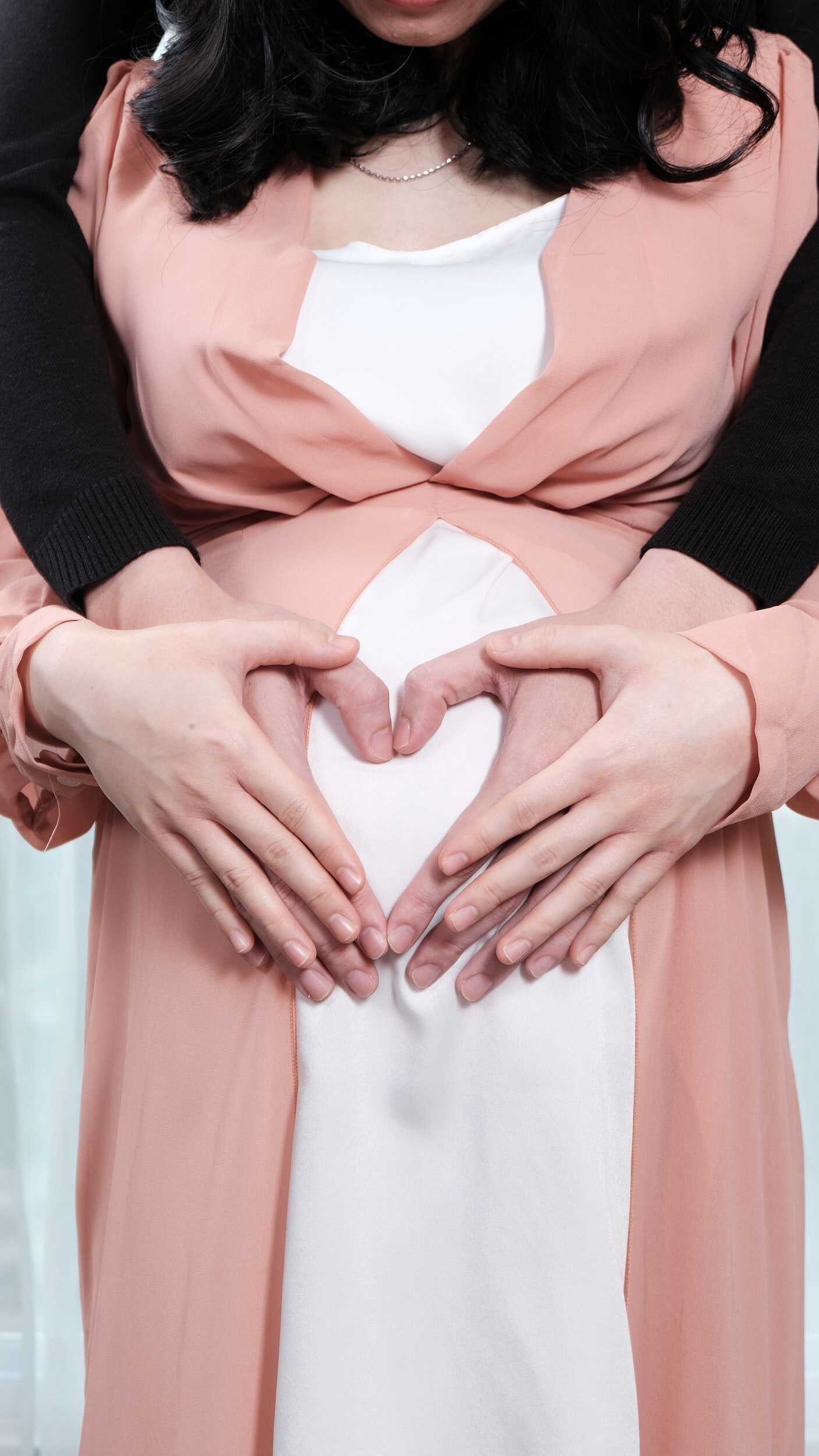
Natural Fertility Journeys
-
During the 3-6 months leading up to when you start trying to conceive, my treatment focus is on optimising preconception health to lay a strong foundation for you to not only conceive, but to optimise your chances of having a healthy pregnancy and baby.
Because of acupuncture’s cumulative, dose-dependent effects, I typically recommend starting acupuncture at least 12 weeks before you plan to start trying to conceive. If your case is complex, I may recommend working together for longer before trying to conceive.
-
Acupuncture is used throughout each cycle to promote ovulation, support conception & implantation
-
Once you have conceived, I usually recommend weekly acupuncture up to at least week 10 (ideally 12). These treatments are focused on supporting early pregnancy, as well as managing any symptoms (eg nausea, vomiting, constipation, sleep difficulties)
-
Acupuncture is wonderful for supporting general health and wellbeing during pregnancy, and managing most pregnancy-related aches and pains.
Acupuncture is also a drug-free way of managing pre-existing chronic conditions during pregnancy.
For uncomplicated pregnancies, I typically recommend monthly treatments from the beginning of 2nd trimester, right up to 36 weeks.
You can see my pregnancy page for more information
-
Acupuncture from 36 weeks is aimed at:
supporting your hormonal cascade
easing any stress or anxiety
supporting sleep (so you are as rested as possible)
boosting energy (so you are not already exhausted going into labour)
managing any pain that’s there - so you are as comfortable & mobile as possible going into labour
These ‘pre-birth’ acupuncture treatments are not ‘labour induction’ acupuncture treatments (which are available if there is a medical reason / you have been told you need a medical induction)
Pre-birth acupuncture treatments are not aimed at bringing on labour, and are suitable to use in the leadup to a planned Ceasarean
-
Acupuncture and/or herbal medicine can help with postpartum recovery, promote tissue healing, reduce aches and pains, and promote milk supply. You can see this page for more information

IVF Fertility Journeys
-
Because the effects of acupuncture are cumulative, to get the full effects I usually recommend starting acupuncture at least 12 weeks before the start of your stim cycle. In some instances, such as I recommend longer.
-
During your stim cycle, I will typically see you every 3-4 days. If you are having a fresh transfer, I will also see you after your egg collection.
-
I will see you twice on the day - before and after your transfer
-
I typically recommend weekly acupuncture during the two week wait
-
I typically recommend acupuncture weekly up to at least week 10, but ideally week 12
-
Acupuncture is wonderful for supporting general health and wellbeing during pregnancy, and managing most pregnancy-related aches and pains.
Acupuncture is also a drug-free way of managing some pre-existing chronic conditions during pregnancy.
For low risk, uncomplicated pregnancies, I usually recommend monthly treatments from the beginning of 2nd trimester, right up to 36 weeks - although you are also welcome to just come and see me when you want feel you need it. For pregnancies with additional medical considerations, I usually recommend a higher treatment frequency.
See my pregnancy page for further information
-
Acupuncture from 36 weeks is aimed at setting the stage for an efficient labour by:
supporting your hormonal cascade
easing any stress or anxiety
supporting sleep (so you are as rested as possible)
boosting energy (so you are not already exhausted going into labour)
managing any pain that’s there - so you are as comfortable & mobile as possible going into labour
supporting cervical ripening
These ‘pre-birth’ acupuncture treatments are holistic treatments which are different to ‘labour induction’acupuncture treatments.
‘Labour induction acupuncture’ involves a different treatment approach, and is only available after an initial consultation where we discuss if it is right for you.
More about how acupuncture works
“Based on the latest research findings, acupuncture demonstrates its efficacy in treating infertility through four well-defined mechanisms. These mechanisms encompass the regulation of the HPO axis equilibrium [improves communication between your brain & ovaries], enhancement of the ovarian microenvironment, mitigation of granulosa cell apoptosis [protecting ovarian cells that support egg development] and facilitation of embryo implantation. The orchestrated interplay of these mechanisms serves to reestablish physiological reproductive hormone levels and enhance overall reproductive system functionality, thereby presenting promising prospects for infertility management. Consequently, acupuncture emerges as a viable and valuable adjunctive therapeutic option within reproductive medicine.” (1) Emphasis & explanations in brackets added
Acupuncture for Conditions Affecting Fertility
Here are some specific ways acupuncture can help with conditions which can affect fertility:
If you have endometriosis or adenomyosis: addressing inflammation and modulating the immune system (read more about how I work with endometriosis here) (5,6,7)
Ovulatory disorders: acupuncture can promote ovulation, and improve ”pregnancy outcomes and sex hormone levels” (8)
Premature ovarian insufficiency: (in combination with Chinese herbal medicine): acupuncture has been shown to decrease FSH, increase estradiol and AMH (9,10)
If you have polycystic ovarian syndrome (PCOS): improving ovarian function & promoting ovulation, regulating reproductive hormones, as well as improving glucose metabolism. (11,12,16)
This study found that
acupuncture did not improve insulin sensitivity and insulin resistance as well as metformin did (in women with PCOS) (16) (note: I would not expect acupuncture to be stronger than metformin)
BUT acupuncture is actually better than metformin at improving glucose metabolism, which may reduce the risk of type 2 diabetes (16)
acupuncture has less side effects than metformin (16)
This study found that a program of electro-acupuncture treatments (16 treatments in 16 weeks) decreased testosterone and other androgen levels, reduced the LH/FSH ratio, improved menstrual frequency, and improved acne. Compared to exercise, acupuncture was better at reducing androgens, regulating the cycle and improving acne.


“studies show strong links between health before pregnancy and maternal and child health outcomes, with consequences that can extend across generations” (15)
Botanical Medicine for Women’s Fertility: Promoting Reproductive Health, Naturally

A recent study included over 5,000 women experiencing infertility found that the 2,627 women who used prescribed Chinese herbal medicine were more likely to have a successful pregnancy than the women who had not. (13)
A 2015 research review (which included women with PCOS & ovulatory disorders, endometriosis, tubal fertility issues, & unexplained infertility) found that prescribed Chinese herbal medicine can:
Improve pregnancy rates 2-fold within a 3-6 month period - compared with fertility drug therapy (14)
Overall, has a beneficial physiological effect that conducive to a viable pregnancy (14)
Some specifics:
Improves ovulation rates (14)
Improves cervical mucus score (14)
Promotes an appropriate endometrial thickness (lining of the womb) (14)
This study looked at how herbal medicines improve reproductive health by regulating intestinal flora (which is increasingly being recognised as having significant effects on many areas of our health), and it found that Chinese herbal medicines:
increases beneficial gut bacteria (18)
improves the integrity of the intestinal barrier (18)
increases bacteria that inhibit inflammation & promote metabolism (SCFA-producing bacteria) (18)
inhibits ‘bad’ bacteria, including those that promote inflammatory responses (18)
stimulates hormone-producing cells in the gut (‘enteroendocrine’ cells), thereby influencing communication between the gut & the brain (18)
benefits the metabolism of fats and sugars

References:
Huang W, Ling J, Fang X, Ou X, Du X. Comparative efficacy of acupuncture-related interventions for tubal obstructive infertility: A systematic review and Bayesian meta-analysis of randomized controlled trials. Complementary Therapies in Medicine. 2023 Dec;79:103003. doi:10.1016/j.ctim.2023.103003
Chen B. Acupuncture normalises dysfunction of the hypothalamic-pituitary-ovarian axis. Acupuncture & Electro-Therapeutics Research. 1997;22(2):97-108
Guo J. Exploring the effects of Chinese medicine in improving uterine endometrial blood flow for increasing the successful rate of in vitro fertilization and embryo transfer. Journal of Chinese Integrative Medicine. 2011;9(12):1301-1306.
Hullender Rubin L, Opsahl M, Wiemer K, Mist S, Caughey A. Impact of whole systems traditional Chinese medicine on in-vitro fertilization outcomes. Reproductive BioMedicine Online. 2015;30(6):602-612.
Bai H, Xu S, Wu Q, Xu S, Sun K, Wu J et al. Clinical Events Associated with Acupuncture Intervention for the Treatment of Chronic Inflammation Associated Disorders. Mediators of Inflammation. 2020;2020:1-10.
Zijlstra F, van den Berg-de Lange I, Huygen F, Klein J. Anti-inflammatory actions of acupuncture. Mediators of Inflammation. 2003;12(2):59-69.
Napadow V, Ahn A, Longhurst J, Lao L, Stener-Victorin E, Harris R et al. The Status and Future of Acupuncture Mechanism Research. The Journal of Alternative and Complementary Medicine. 2008;14(7):861-869.
Chen YQ, Shen T, Lv Y, Shen MH. Feasibility of acupuncture as an adjunct intervention for ovulatory disorder infertility: A systematic review and meta-analysis. World J Clin Cases. 2024 Aug 6;12(22):5108-5123. doi: 10.12998/wjcc.v12.i22.5108. PMID: 39109015; PMCID: PMC11238799.
Cao H, Li H, Lin G, Li X, Liu S, Li P, Cong C, Xu L. The clinical value of acupuncture for women with premature ovarian insufficiency: a systematic review and meta-analysis of randomized controlled trials. Front Endocrinol (Lausanne). 2024 Jul 11;15:1361573. doi: 10.3389/fendo.2024.1361573. PMID: 39055062; PMCID: PMC11269250.
Lin G, Liu X, Cong C, Chen S, Xu L. Clinical efficacy of acupuncture for diminished Ovarian Reserve: A systematic review and meta-analysis of randomized controlled trials. Frontiers in Endocrinology. 2023;14.
Rashidi B, Tehrani E, Hamedani N, Pirzadeh L. Effects of Acupuncture on the Outcome of in Vitro Fertilisation and Intracytoplasmic Sperm Injection in Women with Polycystic Ovarian Syndrome. Acupuncture in Medicine. 2013;31(2):151-156
Johansson J, Redman L, Veldhuis P, Sazonova A, Labrie F, Holm G et al. Acupuncture for ovulation induction in polycystic ovary syndrome: a randomized controlled trial. American Journal of Physiology-Endocrinology and Metabolism. 2013;304(9):E934-E94
Liao Y, Lin J, Lin C, Tsai C, Lai H, Li T. Traditional Chinese Medicine Treatment Associated with Female Infertility in Taiwan: A Population-Based Case-Control Study. Evidence-Based Complementary and Alternative Medicine. 2020;2020:1-11.
Ried K. Chinese herbal medicine for female infertility: An updated meta-analysis. Complementary Therapies in Medicine. 2015;23(1):116-128
Stephenson J, Heslehurst N, Hall J, Schoenaker D, Hutchinson J, Cade J et al. Before the beginning: nutrition and lifestyle in the preconception period and its importance for future health. The Lancet. 2018;391(10132):1830-1841.
Wen Q, Hu M, Lai M, Li J, Hu Z, Quan K, Liu J, Liu H, Meng Y, Wang S, Wen X, Yu C, Li S, Huang S, Zheng Y, Lin H, Liang X, Lu L, Mai Z, Zhang C, Wu T, Ng EHY, Stener-Victorin E, Ma H. Effect of acupuncture and metformin on insulin sensitivity in women with polycystic ovary syndrome and insulin resistance: a three-armed randomized controlled trial. Hum Reprod. 2022 Mar 1;37(3):542-552. doi: 10.1093/humrep/deab272. PMID: 34907435; PMCID: PMC8888993.
Jedel E, Labrie F, Odén A, Holm G, Nilsson L, Janson PO, Lind AK, Ohlsson C, Stener-Victorin E. Impact of electro-acupuncture and physical exercise on hyperandrogenism and oligo/amenorrhea in women with polycystic ovary syndrome: a randomized controlled trial. Am J Physiol Endocrinol Metab. 2011 Jan;300(1):E37-45. doi: 10.1152/ajpendo.00495.2010. Epub 2010 Oct 13. PMID: 20943753.
Liu M, Yan J, Wu Y, Zhu H, Huang Y, Wu K. The impact of herbal medicine in regulating intestinal flora on female reproductive disorders. Front Pharmacol. 2022 Oct 14;13:1026141. doi: 10.3389/fphar.2022.1026141. PMID: 36313343; PMCID: PMC9614049.